HOW E-REON WORKS

One engineering route from RF requirement to verified hardware.

E-REON keeps RF architecture, electronics, embedded control, physical integration and measurement connected throughout development.

From focused RF boards and modules to integrated rack-mounted systems, the engineering route is shaped around the application, the technical challenge and the required outcome.

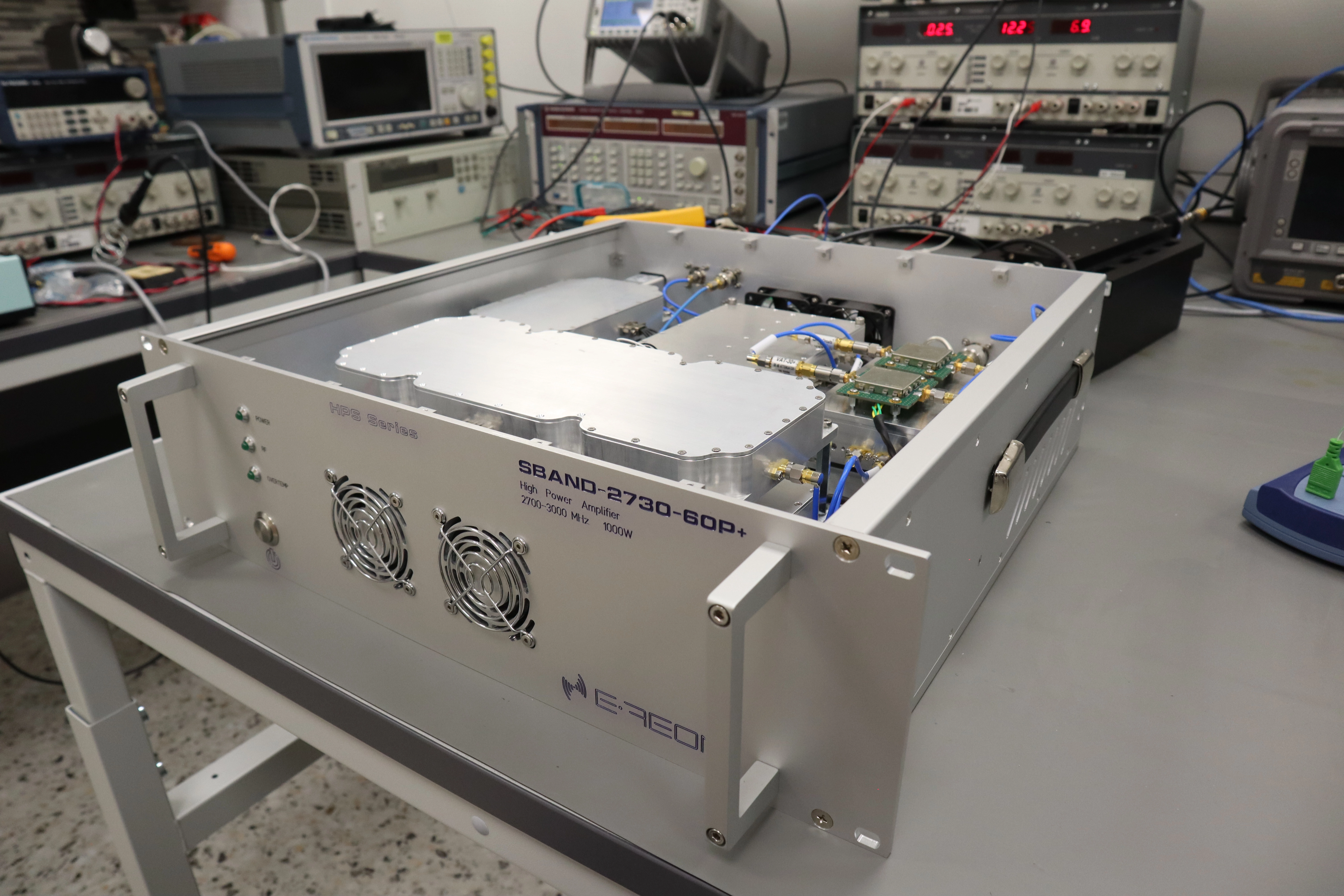
E-REON S-band high-power amplifier equipment during laboratory integration

CONNECTED ENGINEERING PROCESS

Five stages. One continuous technical responsibility.

Definition, design, realisation, measurement and delivery remain connected. Findings from hardware and test feed directly back into the engineering whenever refinement is required.

REQUIREMENT DEFINITION

Define what the equipment must achieve.

E-REON begins by translating the application need into an engineering target. RF performance, interfaces, operating conditions, physical constraints and verification expectations are brought into one technical picture.

The objective is to establish a clear starting point for the design while identifying the areas that require early feasibility work, trade-offs or measurement.

ENGINEERING FOCUS

  • RF performance and signal environment
  • Electrical, control and data interfaces
  • Mechanical, thermal and operating conditions
  • Verification targets and intended outcome
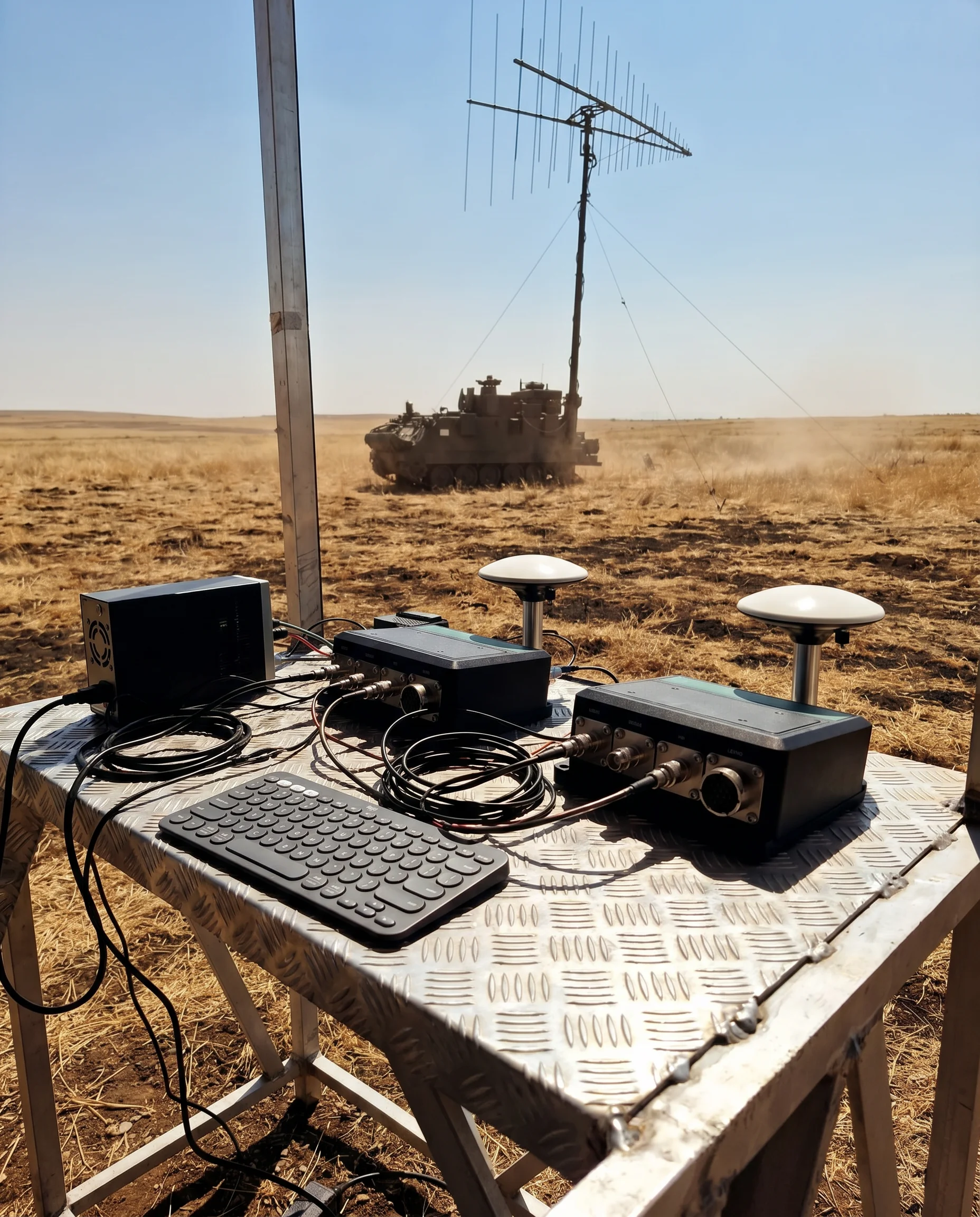
RF communications equipment operating in a field environment

ARCHITECTURE & DESIGN

Turn the requirement into a complete engineering architecture.

RF architecture, electronics, embedded control, mechanics and thermal behaviour are developed as connected parts of the same system rather than as isolated disciplines.

Circuit design, simulation, component selection, interface definition and practical build considerations are used where they add value and help move the design toward real hardware.

ENGINEERING FOCUS

  • RF architecture and circuit design
  • Power, bias, protection and control electronics
  • Embedded software and system interfaces
  • Mechanical and thermal integration
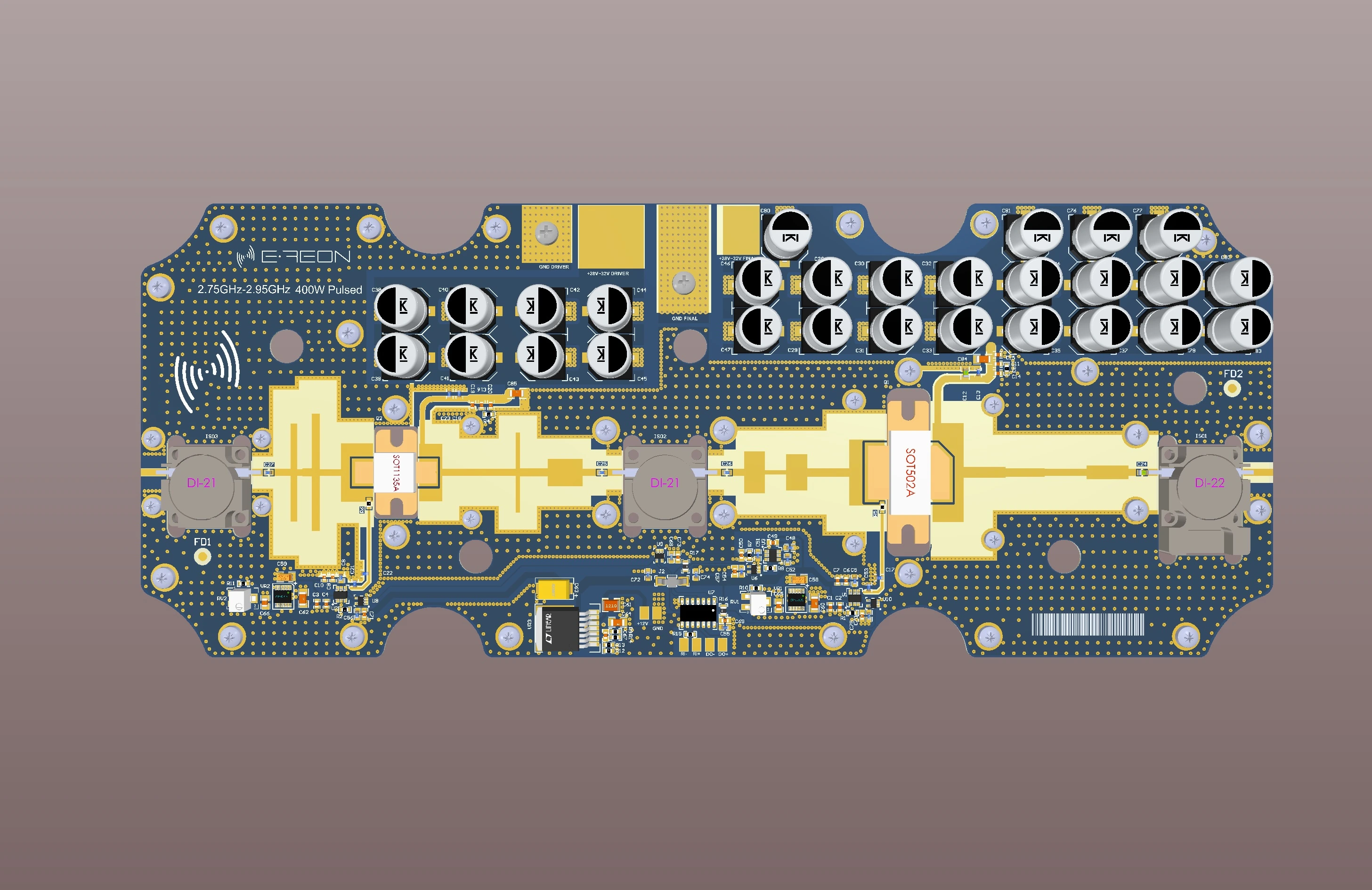
E-REON 400 watt pulsed RF power amplifier PCB design

HARDWARE REALISATION

Turn engineering definition into working hardware.

Detailed designs move into physical hardware through sourcing, fabrication, assembly, programming and bring-up. RF assemblies, electronics and mechanical parts are integrated as the system takes shape.

Keeping realisation close to the engineering work makes it easier to respond to practical observations and resolve issues before they become disconnected from the original design intent.

ENGINEERING FOCUS

  • PCB and RF hardware assembly
  • Enclosures, heatsinks and mechanical parts
  • Wiring, control and embedded implementation
  • Bring-up and subsystem checks
Open E-REON S-band high-power amplifier during hardware integration

INTEGRATION & MEASUREMENT

Bring the complete system together and measure the result.

RF, electronics, control, firmware and physical hardware are brought together and evaluated as an integrated system. Bench measurements make the actual behaviour visible.

Performance is compared with the intended result, and findings are fed directly back into the design when tuning, correction or further refinement is required.

ENGINEERING FOCUS

  • RF and system-level integration
  • Functional and performance measurement
  • Thermal, electrical and control behaviour
  • Design refinement from measured results
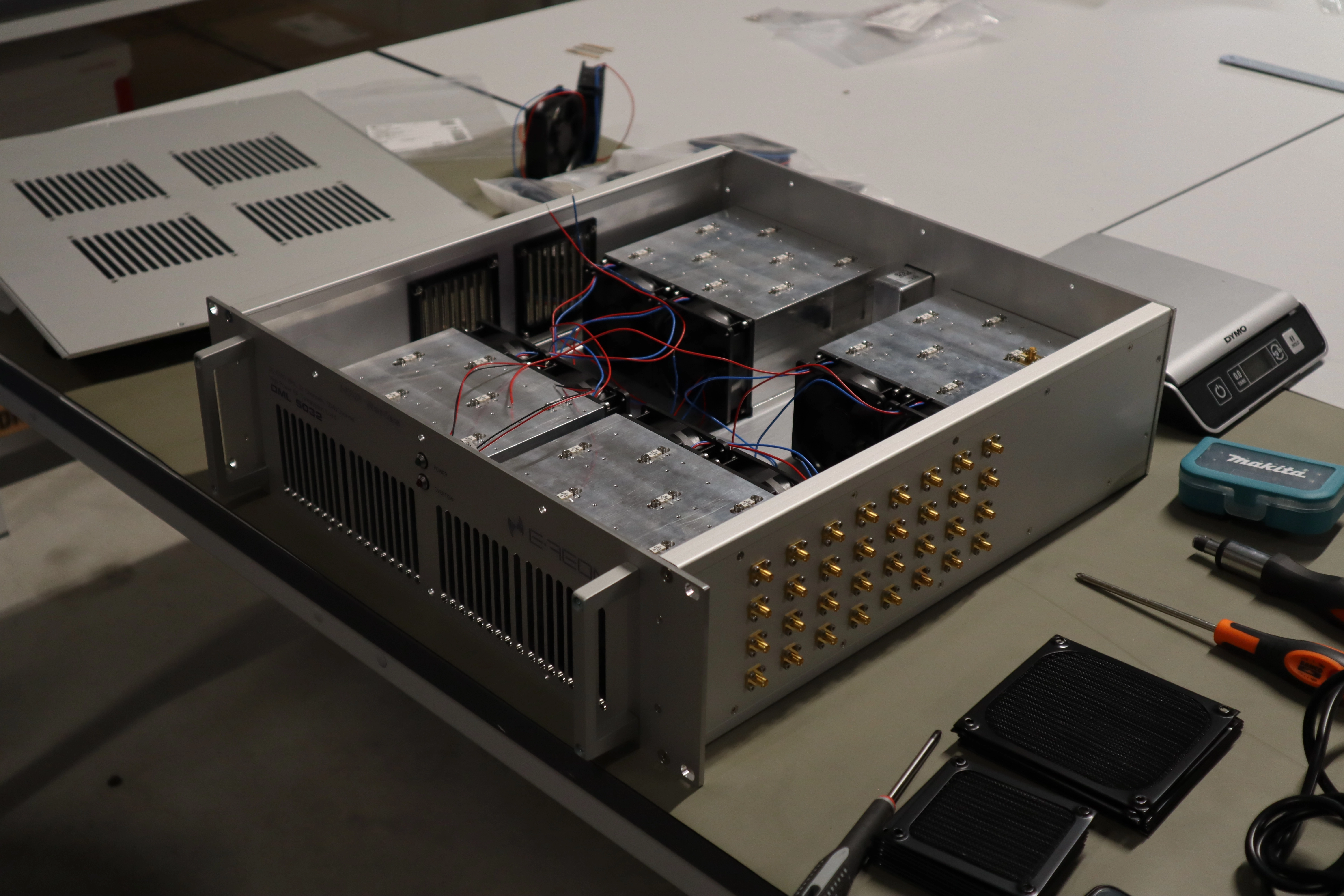
E-REON multichannel RF equipment during system integration

TECHNICAL DELIVERY

Deliver verified hardware with the engineering behind it.

The completed engineering result is brought into its agreed delivery state with the final configuration, verification evidence and technical information appropriate to the programme.

Where required, the same engineering continuity can extend into further iteration, qualification, production support, platform adaptation and lifecycle activity.

ENGINEERING FOCUS

  • Verified hardware and final configuration
  • Measurement results and technical records
  • Drawings, files and project documentation
  • Next-step engineering and lifecycle support
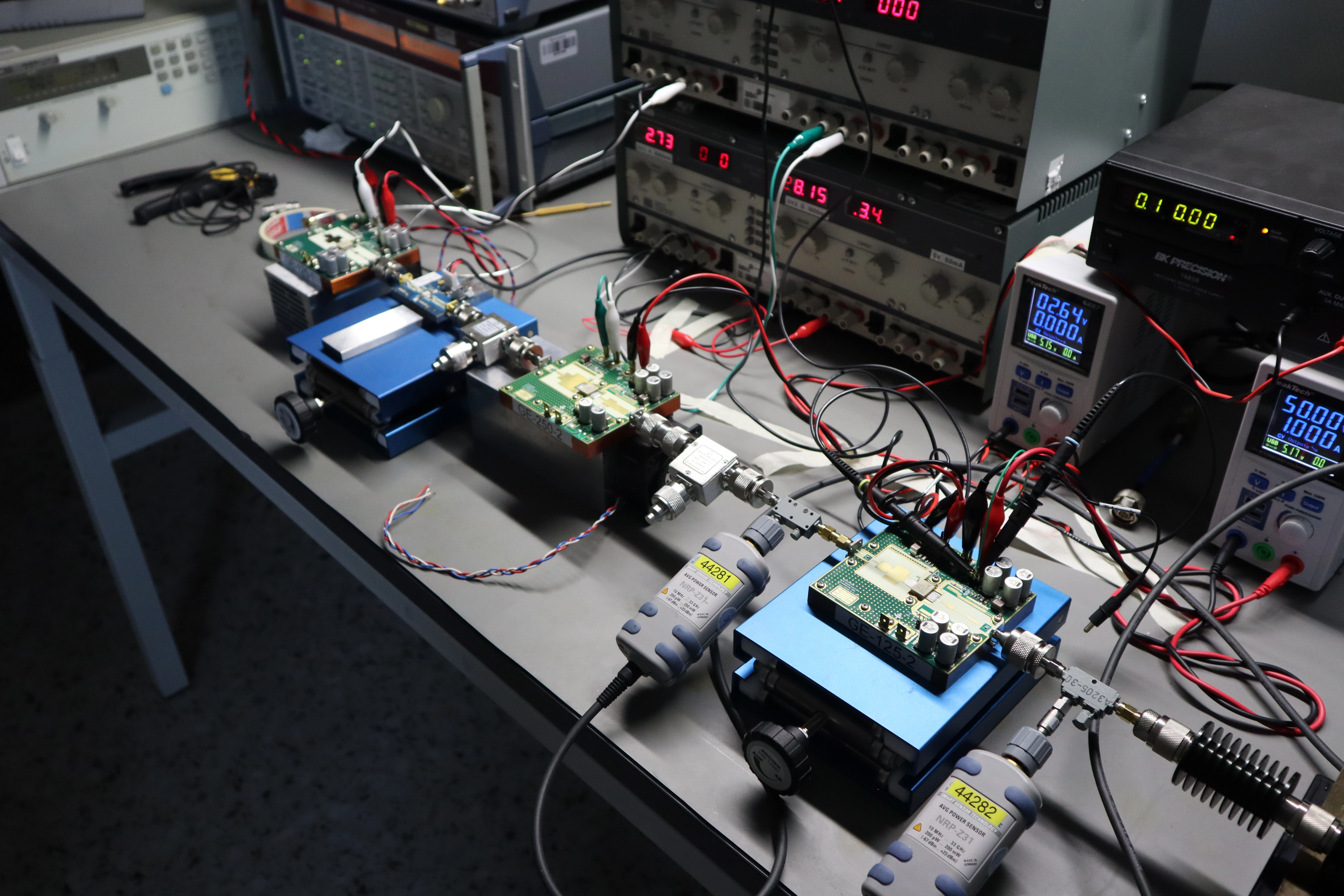
RF amplifier hardware undergoing laboratory performance verification

RF & MICROWAVE ENGINEERING

Start with the operating requirement.

Share the required RF performance, interfaces, operating environment and intended outcome. E-REON can review the requirement and define an appropriate engineering route.

Discuss an RF requirement